Website Planning
We start with the questions visitors need answered and the pages that can answer them. The sitemap connects your offer, relevant work and enquiry routes, while the page plan sets out the content each part of the website needs.


Your website should explain what you do and make it easy to take the next step. We bring page planning, responsive design and development together, with a content management setup that lets your team keep the site useful after launch.
Discuss your project
From the first discussion to the final files, these are the main parts of the work. We shape the project around what your team needs.
We start with the questions visitors need answered and the pages that can answer them. The sitemap connects your offer, relevant work and enquiry routes, while the page plan sets out the content each part of the website needs.
A navigation menu or enquiry form needs to work just as well on a phone as on a desktop. We design the layouts and interaction states together, checking how content, images and controls respond when the available space changes.
Good content needs a home and a sensible way to update it. We define page types, CMS fields and reusable sections around the material you publish, so your team knows where new projects, services and supporting information belong.
We build the agreed pages and integrations on the chosen platform, then check forms, links and responsive behaviour before launch. The handoff covers access, publishing and editing, with any remaining technical questions recorded for the team maintaining the site.
These are the changes we design towards and the questions we use to review the work together.
Give each audience a direct explanation of what you do and where you can help. We review the opening message and supporting detail against the questions a prospective customer needs answered before getting in touch.
Use navigation and links that reflect the questions visitors bring. The sitemap and page links give services, projects and supporting information a clear relationship, instead of leaving visitors to search through disconnected pages.
Place enquiries and other agreed actions where they make sense in the journey. We review form fields, button labels and the information around them so the action and what follows are easy to understand.
Give editors a structure they can use without rebuilding a page. The content model identifies which pages and fields editors can change, with guidance for keeping repeated information consistent across the website.
Review content, forms, redirects and responsive behaviour before publishing. The release review records the checks completed, issues still open and the people responsible for making the site ready to publish.
A record of the audiences, business goal and visitor tasks the website must support.
The agreed navigation, page hierarchy and URLs, including important existing pages that need to be preserved.
A section outline for each priority page, identifying messages, evidence, assets and calls to action.
Early page layouts showing information order and the relationship between key sections before detailed visual design.
Reviewed page designs for the agreed screen sizes, with behaviour and content requirements recorded alongside them.
Reusable navigation, buttons, cards, forms and page sections, with the states relevant to the build.
The content types and editable fields required by the team responsible for maintaining the website.
The agreed implemented pages and integrations, reviewed against the approved design and content before handoff.
A record of checks, remaining issues, publishing responsibilities and the next steps needed for release.
You bring the context of your business. We bring the design work into the conversation early, with clear review points and a shared record of decisions.
Discuss your projectWe agree the audience, purpose and constraints before exploring directions.
Your team knows who supplies information, reviews decisions and approves the work.
We show work in progress with the questions each review needs to answer.
Agreed files, decisions and open questions stay together for the next team.
We agree the approach with you before starting, then keep the work and the decisions visible.
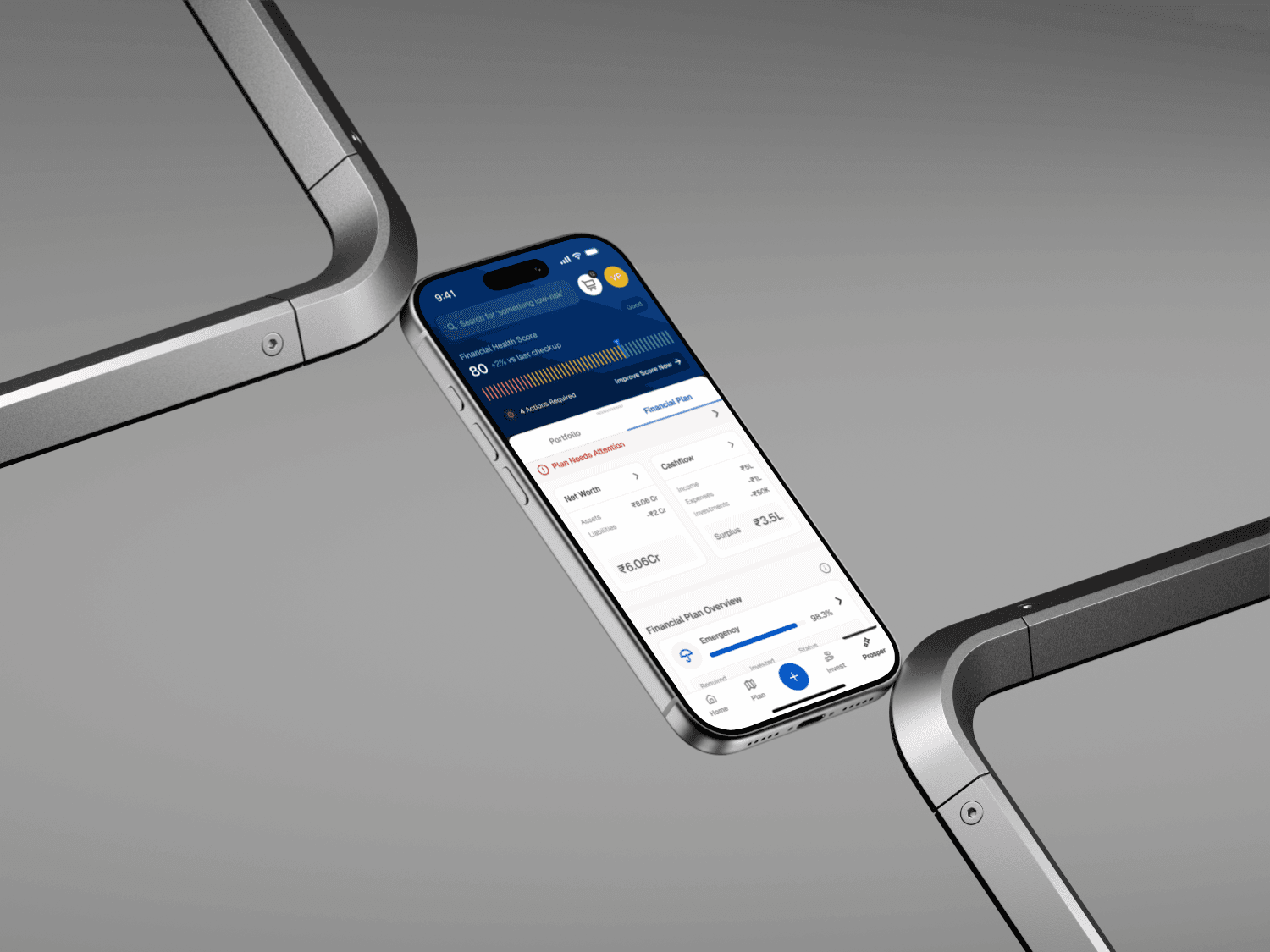 Fincart. A connected mobile experience for financial planning, investing, and tracking progress.Mobile appProduct design
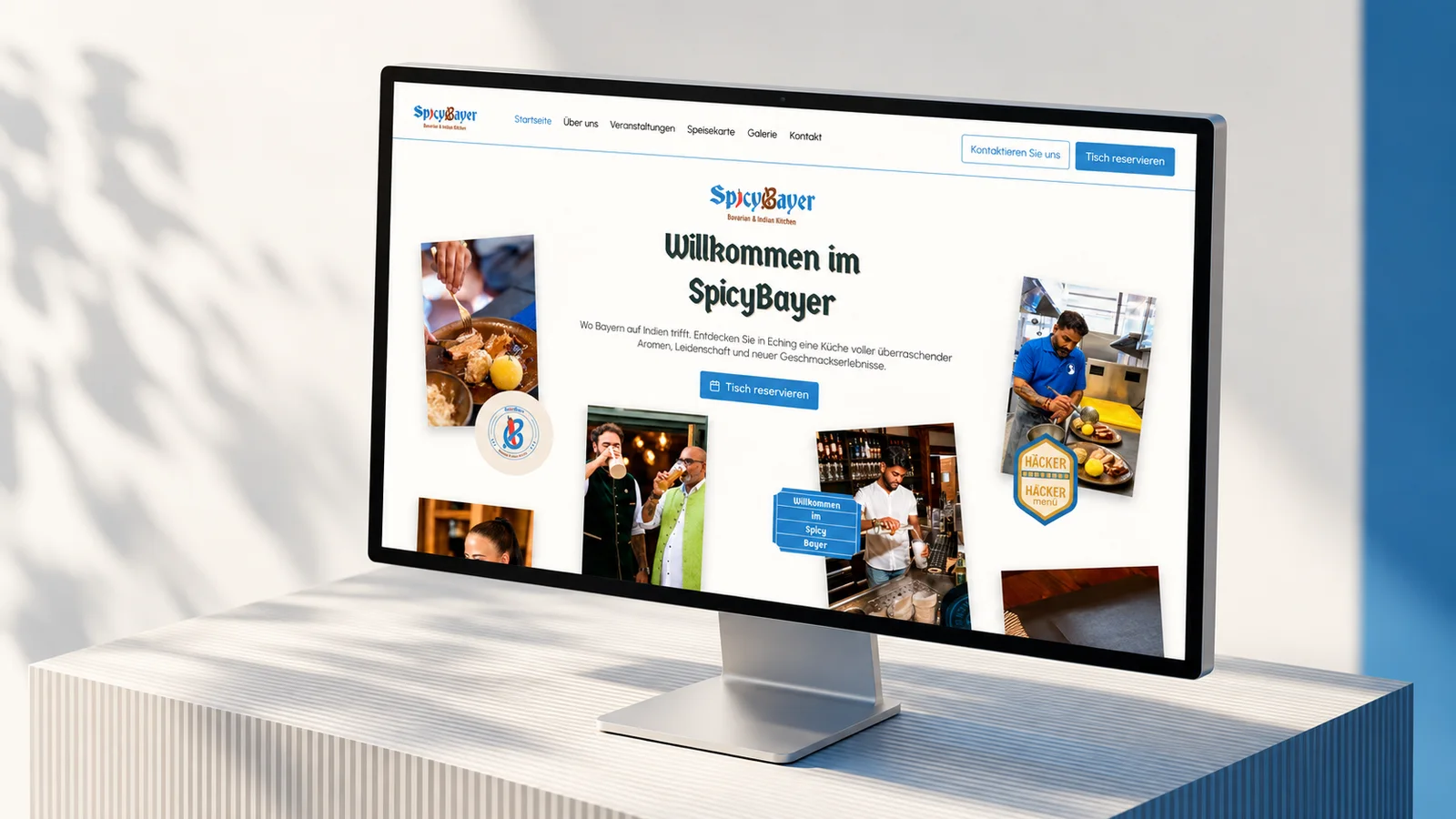 Case Study LockedSpicyBayer. A warm website for a Bavarian, Indian and Tamil fusion restaurant.RestaurantWebsite design
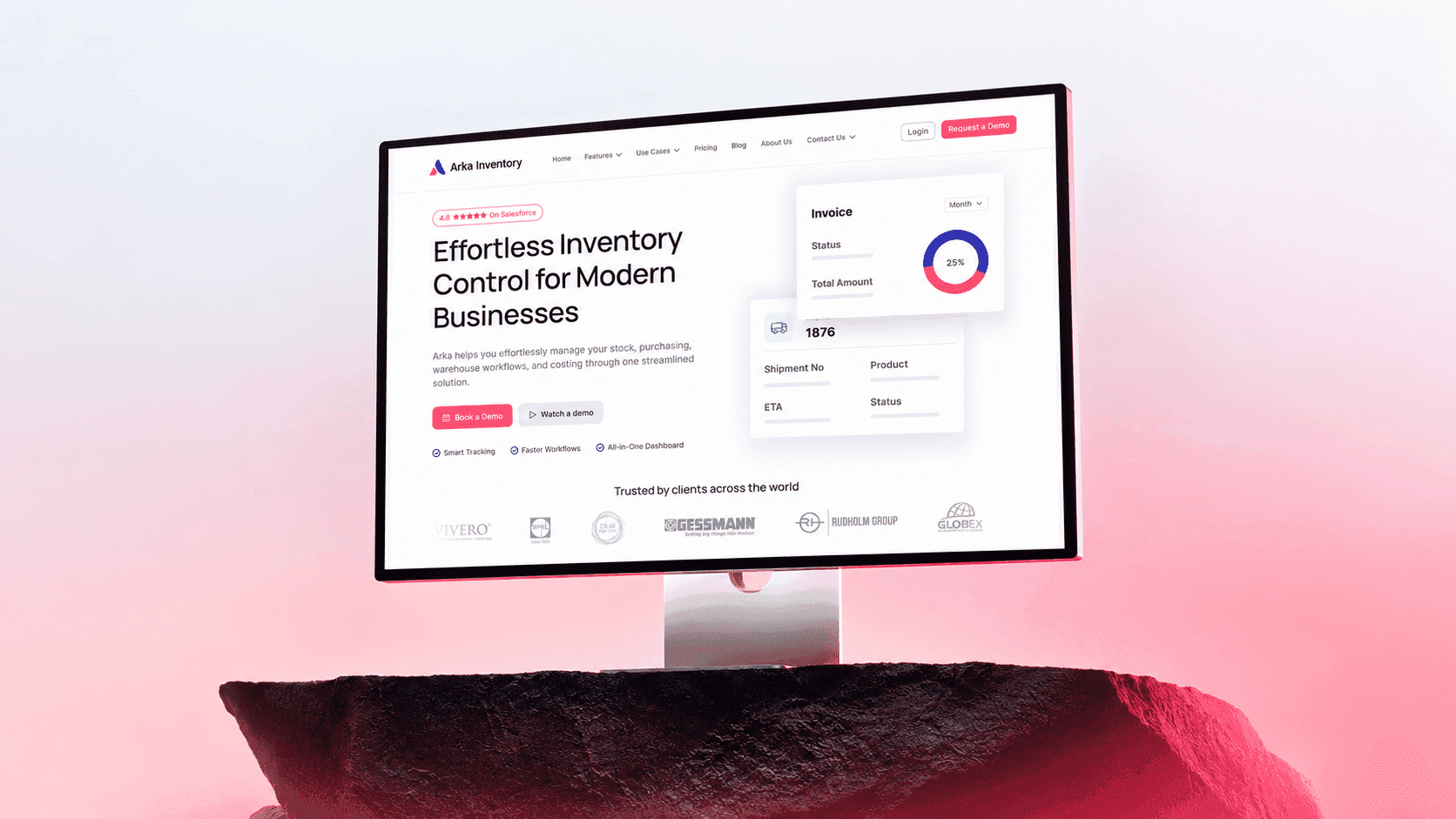 Arka Inventory. A refreshed website for an inventory management platform.Inventory managementWebsite design
 Maya. An explainer that introduces an AI-powered hiring platform.AI hiringExplainer video
We can review the current setup before recommending a rebuild. Useful content, working integrations and familiar publishing tools belong in that decision.
We agree which content needs to be editable and include that in the CMS scope and handoff.
Bring your current site, available content and the questions visitors keep asking. We can shape the remaining brief together. Existing analytics can also help us choose priorities.
We review the scope, the material already available and the people needed to deliver it. The proposal sets out deliverables, responsibilities and fees before work begins. Additional work is discussed separately.
The schedule depends on the scope, dependencies and review process. We agree the stages and what your team needs to provide before setting a delivery plan, rather than applying the same timeline to every project.
Yes. We can agree a scope around your internal team or existing partners, including who supplies information, who approves decisions and who owns implementation after the design work is handed over.
We hand over the agreed files and documentation, with a record of any remaining questions. Launch support, ongoing production or future changes are included only where they have been agreed in the project scope.
We agree review stages and the person responsible for consolidating feedback before starting. Each review has a decision to resolve, and changes outside the agreed scope are discussed before additional work begins. For example, a service page review should cover the offer, supporting project evidence and the enquiry route together. Reviewers can judge whether the page answers the visitor’s question before spending time on visual preferences in isolation.
Tell us about the product, website or brand. An unfinished brief is welcome.
Start a project