

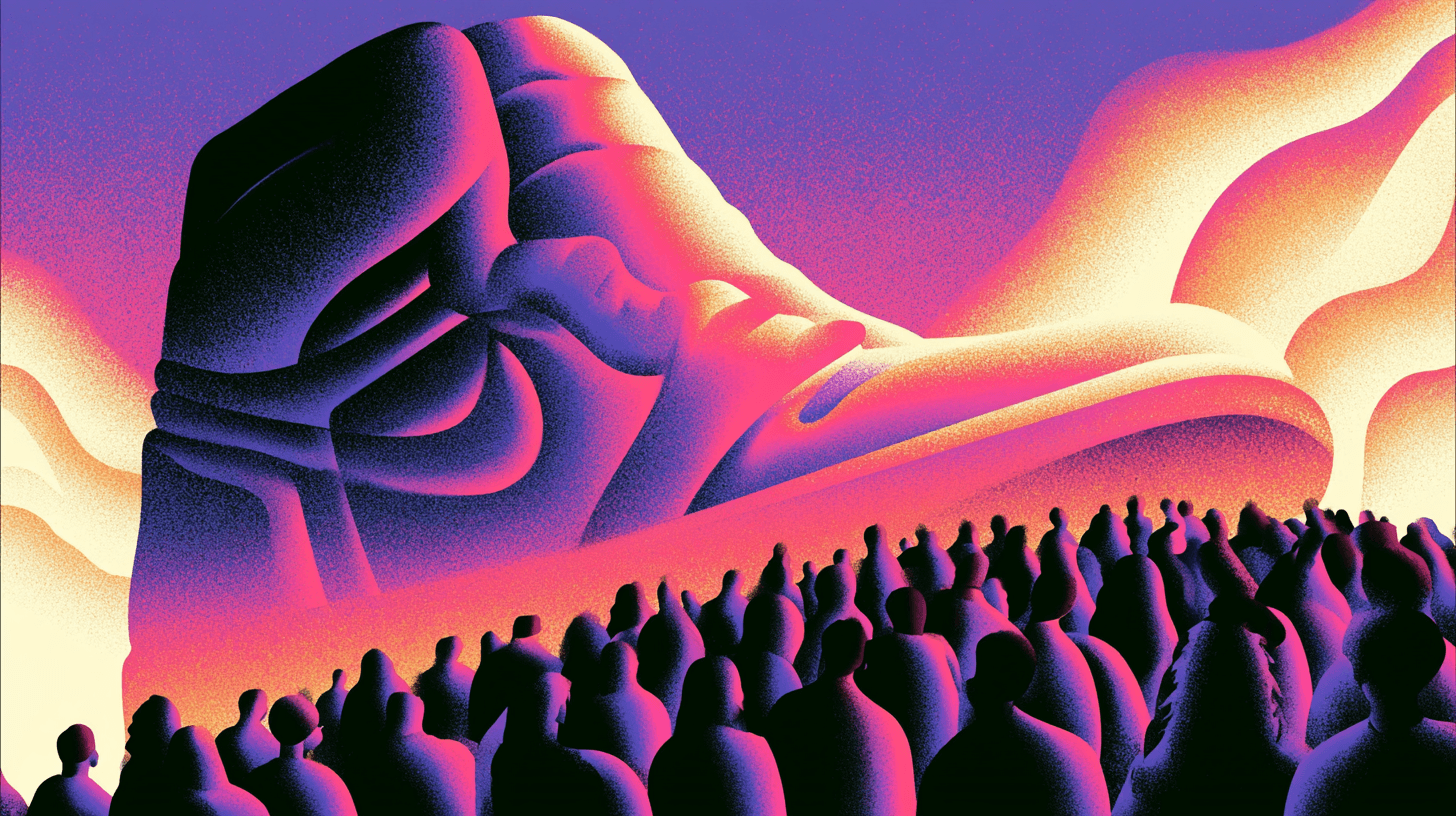
Begin With The Object People Use
A sneaker is a product someone can wear, compare, collect or pass on. Those uses give a branding team something more concrete to examine than a list of desired personality traits. Start with the object, the circumstances in which it appears and the choices people make around it. The logo is one part of that experience, alongside the design, availability and way it is presented.
Separate The Brand Plan From The Audience
A business can choose its messages and visual cues, while people bring their own associations to what they buy. Treat that difference as a research question. Ask customers about a recent choice and listen for the reasons they give in their own words. Avoid turning a few enthusiastic comments into a claim about an entire community or assuming everyone values the same part of the product.
Look For Continuity Across Encounters
Review the product, packaging, store and communication together. Which details make the same business recognisable, and which details change with the context? A useful system gives the team a basis for making those choices. Consistency does not require identical layouts everywhere; it requires an understandable relationship between the things people encounter. Test that relationship with real content before writing it into the guidelines.
Choose A Lesson Your Team Can Use
For a smaller business, the practical exercise is to choose one product and map the encounters around it. Record what the team intends to communicate and what customers actually notice. Use the gaps to decide where design or content needs attention. Cultural relevance cannot be ordered as a deliverable, but careful listening can give the next brand decision a better starting point. Keep customer language beside the team’s interpretation when sharing what you learned.